


The principle of the high-speed blower is to use the motor to drive the wind wheel to rotate, through the wind wheel to drive the air flow to form a high-speed air flow, spray from the nozzle, so as to achieve the purpose of drying objects and dust removal. Specifically, the motor converts electrical energy into mechanical energy that drives the wind wheel to rotate. The blades on the wind wheel are impacted by the air and convert the kinetic energy of the air flow into pressure energy. Through a series of structures such as air inlet and wind turbine blade, the air accelerates and forms a high-speed air flow, which is ejected from the nozzle. Due to the impact of the high-speed airflow, objects such as moisture and dust can be blown away from the surface being dried.
Here are some simple steps:
1. Electric Motor:
The hair dryer is equipped with an electric motor inside. When the power is plugged in and the switch is turned on, the motor starts to run. The rotor of the motor generates a rotational force through electromagnetic induction, which drives the fan to rotate.
2. Fan:
The fan is a key component within the hair dryer. When the motor rotates, it drives the fan to rotate at the same time. A fan has multiple blades that generate centrifugal force as they rotate, drawing air in and discharging it outward.
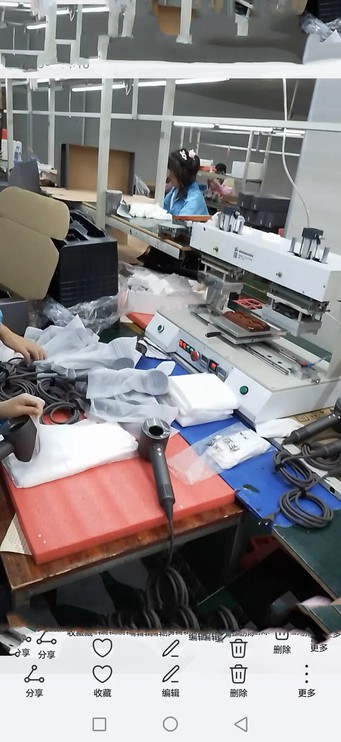

3. Blade Design:
The blades of blowers are usually curved or fan-shaped to ensure maximum push of air. Such a design can effectively increase the amount of air and wind speed, and enable the hair dryer to produce strong wind. The blade material is usually plastic or metal.
4. Heating element (only present in some models of hair dryers):
Some hair dryers are also equipped with a heating element to heat the incoming air. These heating elements typically use a hot wire or quartz heating tube that heats the surrounding air by passing an electric current through this element. The heated air is blown out of the hair dryer to provide a warm wind.
5. Air Outlet:
Hair dryers usually have one air outlet or centralized air outlet. When the fan drives the air to rotate and heat up, the hot air is ejected through the air outlet or air outlet. The engine housing of the hair dryer usually has corresponding channels and directions to ensure that the wind direction can be concentrated and stable.


In summary. the blower rotates the fan through an electric motor and draws air in and discharges it out through the blade design. Some models of hair dryers can also provide warm wind through heating elements. This principle of operation allows the hair dryer to generate strong wind for a variety of needs, such as drying hair and cooling.